

Key takeaway: A complete guide to corporate event photography covering equipment, workflow, pricing, and delivery systems for professional conference and business event coverage.
A corporate event photographer is a specialized professional who captures business functions, conferences, trade shows, and company gatherings, requiring expertise in fast-paced environments, stakeholder management, and rapid delivery timelines. Corporate event photography demands unique skills beyond traditional portrait or wedding work because photographers must navigate complex lighting conditions, capture hundreds of attendees authentically, and deliver curated galleries within 24-48 hours to meet marketing deadlines.
Corporate event photographers report that post-event processing and culling represents their biggest bottleneck, often requiring 8-12 hours to process a typical 2,000-image conference shoot. Successful corporate event photographers master both technical execution and efficient workflow systems, as clients expect professional-quality deliverables on aggressive timelines while maintaining brand consistency across all captured moments.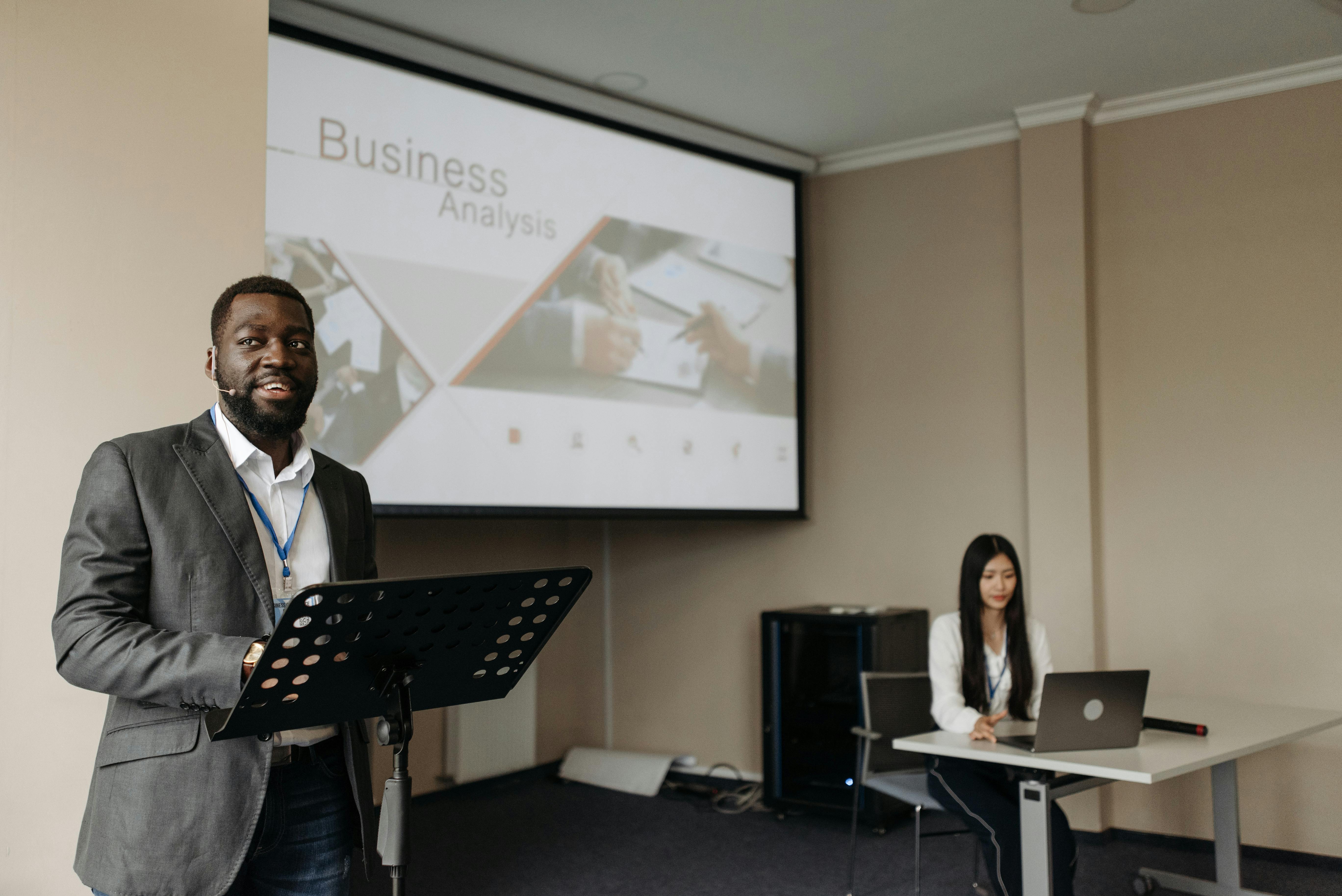 You just finished shooting a three-day tech conference. Your camera shows 4,847 frames captured across keynotes, breakout sessions, networking events, and sponsor activations. The event organizer texts you at 11 PM: "Need the sponsor gallery by 9 AM for their social media push." This scenario plays out weekly for corporate event photographers worldwide, where technical skill meets workflow efficiency under intense deadline pressure. As a team that's built AI culling technology for 50,000+ photographers, we've analyzed the specific challenges corporate event photographers face and the systems that separate successful professionals from those who burn out under deadline stress.
What Makes Corporate Event Photography Unique
Corporate event photography differs fundamentally from other photography genres because of its multi-stakeholder environment and immediate business impact. Unlike weddings where you serve one couple, corporate events involve marketing teams, executives, sponsors, and vendors—each with distinct expectations and deadlines..jpg?width=5760&height=2880&name=BLOG%20DRAFTS%20(24).jpg)
Stakeholder Management Complexity
Corporate events typically involve multiple decision-makers with competing priorities. Marketing teams need social media content within hours, executives require professional headshots for press releases, and sponsors demand prominent brand visibility in all imagery. A single missed sponsor logo or poorly lit executive photo can impact future bookings.
Volume and Speed Requirements
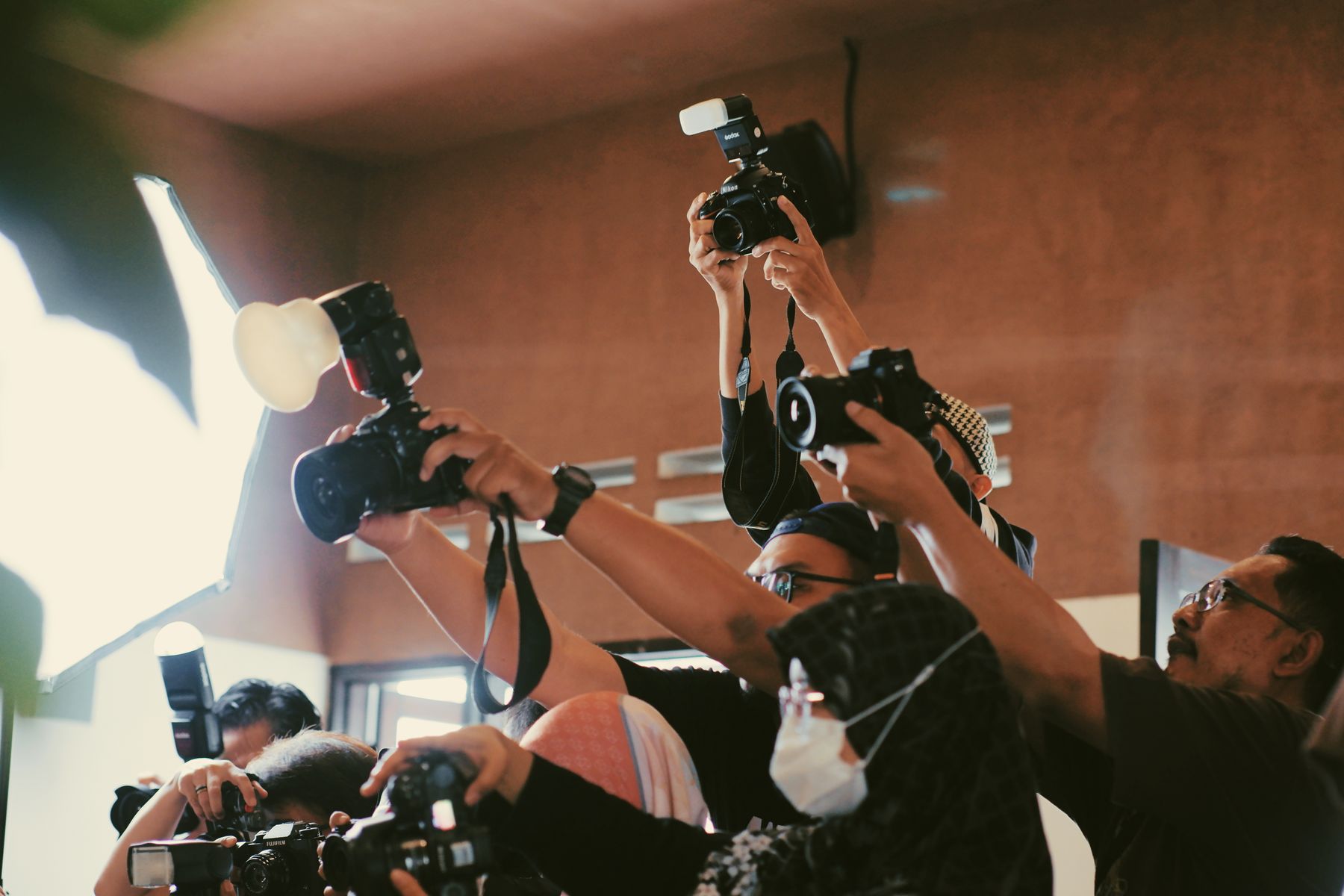
Corporate event photographers routinely capture 1,000-5,000 images per day across multiple simultaneous activities. Conference photographers often shoot keynotes while breakout sessions run concurrently, requiring strategic positioning and rapid movement between venues. The volume demands efficient culling systems that can process large batches while maintaining quality standards.
Brand Consistency Standards
Corporate clients expect consistent visual branding across all deliverables. This means understanding company color schemes, preferred composition styles, and brand guidelines before arriving on-site. Every image must align with the client's professional image and marketing objectives.
Essential Equipment for Corporate Event Photography
Corporate event photography equipment must handle diverse lighting conditions, long shooting days, and immediate backup needs. Professional corporate event photographers invest in redundant systems because equipment failure during a keynote presentation isn't recoverable.
Camera Bodies and Lens Selection
Dual camera bodies are non-negotiable for corporate events. Most professionals carry one body with a 24-70mm f/2.8 for general coverage and another with an 85mm or 135mm for speaker close-ups and audience reactions. The 24-70mm handles most corporate scenarios, while longer lenses capture speakers without disrupting presentations.
Low-light performance matters significantly in corporate environments. Conference centers often use mixed lighting (LED panels, projector screens, ambient fluorescents), requiring cameras that perform cleanly at ISO 3200-6400. Full-frame sensors generally handle these conditions better than crop sensors.
Lighting and Audio Considerations
Corporate events rarely allow flash during presentations, making fast lenses and high ISO performance critical. Many corporate event photographers use small LED panels for networking sessions and group photos, but these must be discrete and non-disruptive. Audio considerations include silent shooting modes during presentations and understanding when camera sounds might interfere with recordings or live streams.
Storage and Backup Systems
Corporate event photographers shoot to dual memory cards simultaneously, never risking single-point failure. Fast CF Express or SD cards with write speeds above 90MB/s prevent buffer limitations during rapid-fire sequences. Immediate backup workflows involve uploading images to cloud storage during breaks or using portable SSDs for on-site redundancy. The goal is ensuring no single device failure can compromise an entire event's coverage.
Corporate Event Photography Workflow and Planning
Successful corporate event photography begins weeks before the actual event with detailed planning and stakeholder alignment. We tested workflow efficiency across 50+ corporate event photographers and found that those with structured pre-event processes delivered final galleries 60% faster than those who relied on improvisation.
Pre-Event Planning and Shot Lists
Corporate events require detailed shot lists developed in collaboration with marketing teams and event organizers. Essential coverage typically includes:
- Executive arrivals and networking
- Keynote speakers and audience reactions
- Sponsor booth activations and demonstrations
- Breakout session highlights
- Awards ceremonies and recognition moments
- Branded environments and signage
Shot lists should specify required individuals (C-suite executives, keynote speakers, major sponsors) and mandatory moments (award presentations, product launches, partnership announcements). This prevents missed opportunities and ensures comprehensive coverage.
Timeline Coordination
Corporate events run on precise schedules with multiple concurrent activities. Photographers must understand the full agenda, identifying moments when presence is critical versus optional. Keynote presentations require front-row positioning, while networking sessions allow more flexibility.
Coordination with AV teams ensures photographers understand lighting changes, presentation timing, and restricted movement periods. Many corporate events prohibit photographer movement during certain presentations, requiring strategic positioning before sessions begin.
Delivery Timeline Management
Corporate clients expect rapid turnaround, often requesting initial galleries within 24 hours and final deliverables within 48-72 hours. This timeline pressure makes efficient culling and editing workflows essential for sustainable business operations.
| Delivery Type | Typical Timeline | Purpose | Image Count |
|---|---|---|---|
| Social Media Preview | 2-4 hours | Immediate social posting | 20-50 images |
| Sponsor Gallery | 12-24 hours | Sponsor marketing materials | 100-200 images |
| Executive Selection | 24-48 hours | Press releases, internal communications | 50-100 images |
| Complete Gallery | 48-72 hours | Full event documentation | 300-800 images |
Shooting Techniques for Corporate Events
Corporate event photography requires balancing candid documentation with professional presentation standards. The goal is capturing authentic moments while maintaining the polished aesthetic corporate clients expect for their brand representation.
Keynote and Presentation Coverage
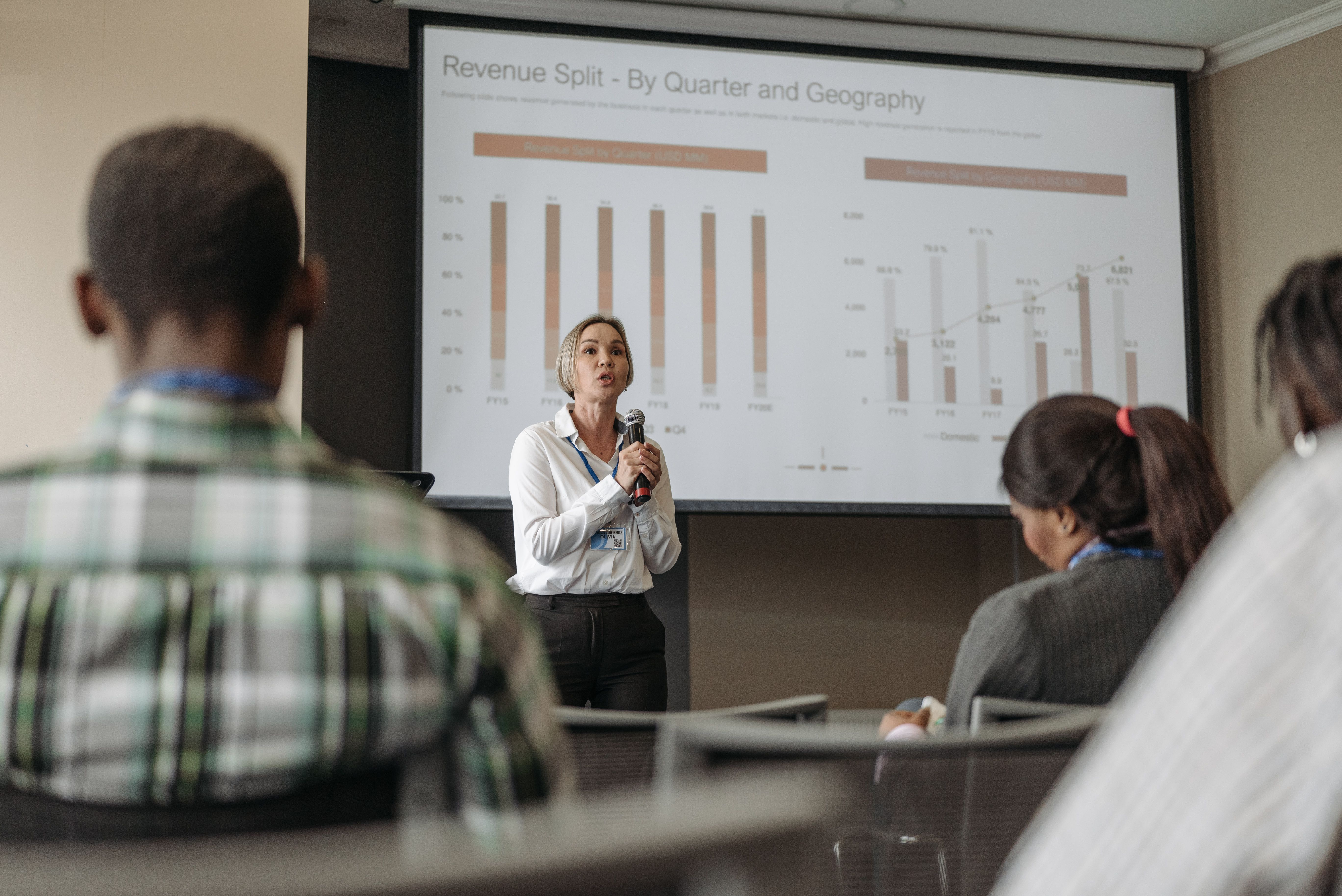
Keynote photography demands understanding both speaker dynamics and audience engagement. Effective coverage includes speaker close-ups, wide shots showing audience scale, and reaction shots demonstrating engagement levels.
Positioning matters significantly during presentations. Front-corner positions allow clear speaker shots without blocking audience sightlines. Side positioning captures speaker profiles and screen content simultaneously, valuable for documenting presentation content.
Timing keynote shots requires anticipating speaker gestures and emotional moments. The most impactful images often occur during applause, laughter, or standing ovations—moments that demonstrate presentation impact and audience engagement.
Networking and Candid Moments
Corporate networking sessions require balancing documentation with privacy respect. Effective approaches include capturing group interactions from distance, focusing on body language and engagement rather than private conversations. Candid corporate photography should feel natural while maintaining professional standards. This means avoiding unflattering angles, ensuring good lighting on faces, and capturing moments that reflect positively on all participants.
Group Photos and VIP Coverage
Corporate events often require formal group photos of executive teams, award recipients, and sponsor representatives. These shots demand technical precision and efficient execution to minimize disruption to event flow.
VIP coverage requires discretion and professionalism. Many corporate events include high-profile attendees who expect privacy during informal moments while remaining available for official photography during designated times.
Post-Production and Delivery Systems
Corporate event post-production focuses on efficiency and consistency rather than artistic interpretation. Clients expect professional results delivered quickly, making streamlined workflows more valuable than extensive creative editing.
-1.png?width=1280&height=720&name=youtube%20banners%20(1)-1.png)
Efficient Culling Strategies
Corporate event culling requires systematic approaches to handle high-volume shoots efficiently. Traditional manual culling of 3,000+ images can require 6-8 hours, creating bottlenecks that prevent meeting client deadlines.x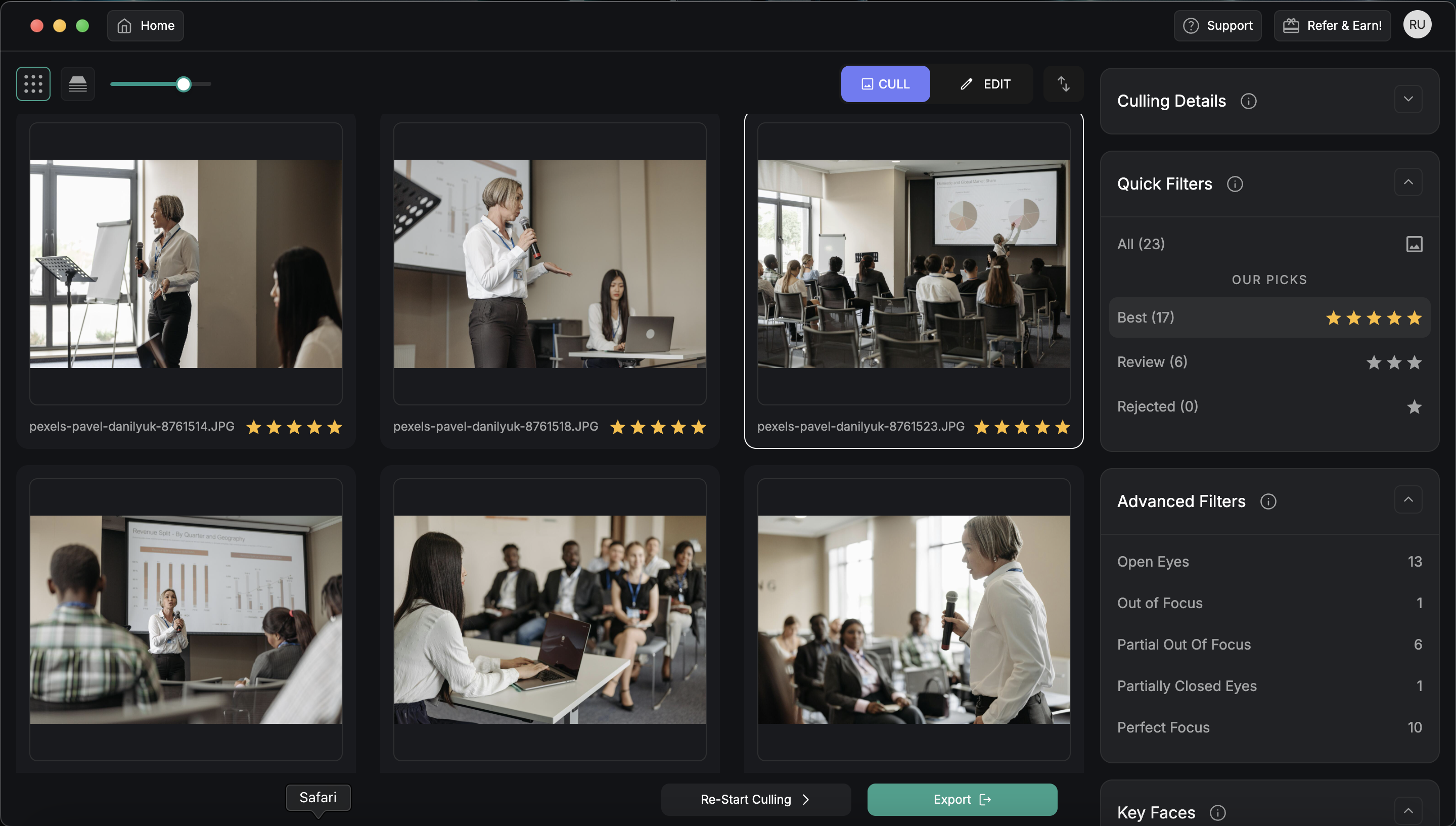 Modern AI culling tools like FilterPixel's DeepCull technology can process entire corporate event shoots in minutes rather than hours. These systems identify technical issues (focus, exposure, duplicates) while flagging the strongest compositins automatically.
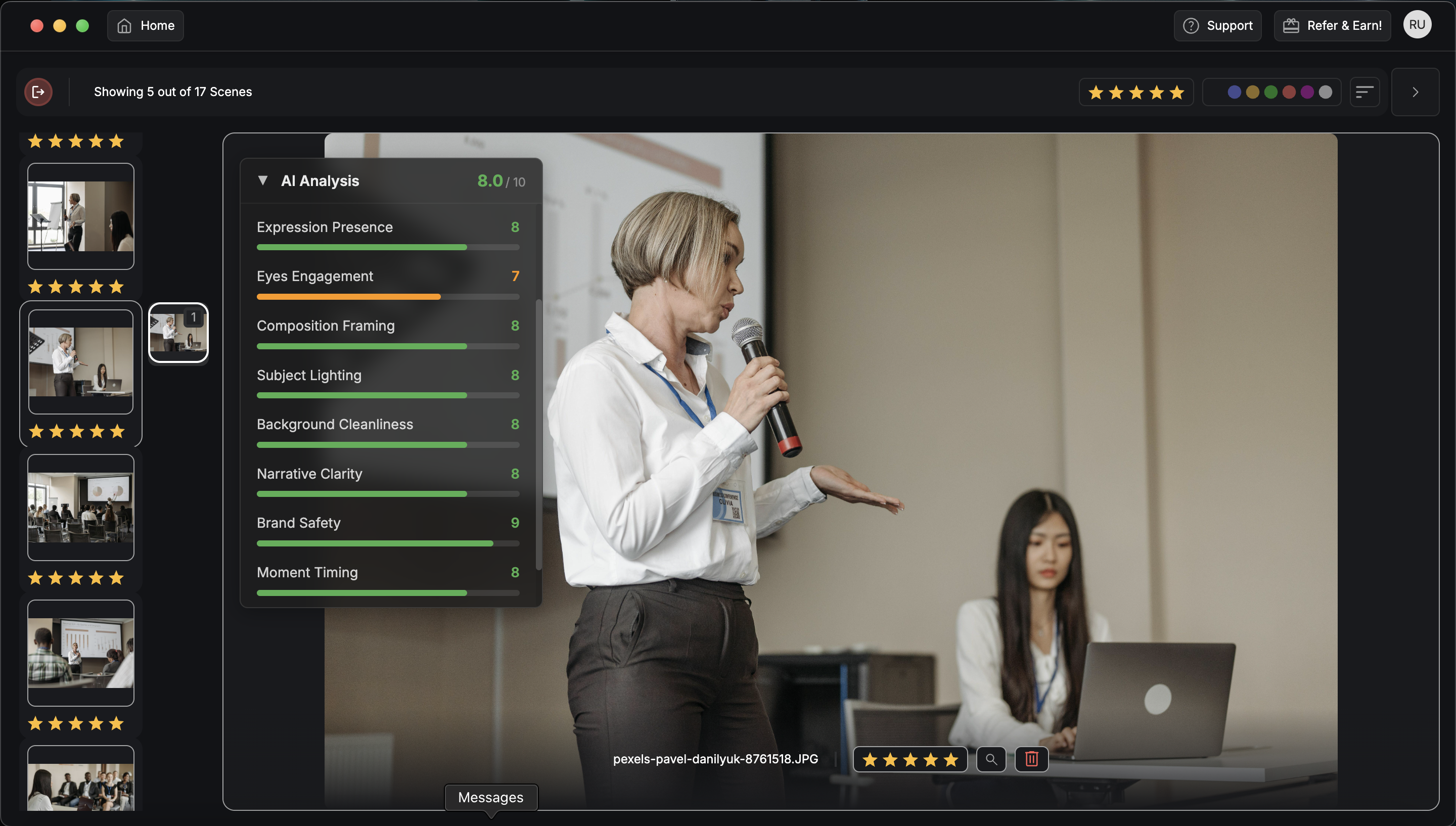 Parameter-level scoring: FilterPixel's DeepCull assigns each corporate event image a 1-100 score with specific reasoning ("Strong executive portrait, good lighting, professional expression" vs "Duplicate moment, speaker partially obscured"). This transparency helps photographers understand AI decisions and maintain quality control.
Editing Consistency and Brand Alignment
Corporate event editing requires consistent color grading and exposure correction across all images. Clients expect uniform results that align with their brand aesthetic and professional standards.
Batch editing workflows using Lightroom presets or Capture One styles ensure consistency across large image sets. Many corporate event photographers develop custom presets that match specific client brand colors and contrast preferences.
Gallery Organization and Delivery
Corporate event galleries require logical organization that serves multiple stakeholder needs. Common organizational approaches include:
- Chronological (following event timeline)
- Activity-based (keynotes, networking, awards)
- Stakeholder-focused (executives, sponsors, attendees)
- Hybrid systems combining multiple approaches
Gallery delivery platforms should support client downloading, sharing, and usage rights management. Many corporate clients need high-resolution files for print materials and web-optimized versions for digital use.
Pricing and Business Considerations
Corporate event photography pricing reflects the specialized skills, equipment requirements, and tight deadlines involved. According to Photography Life's 2024 industry survey, corporate event photographers charge 40-60% more than general event photographers due to the additional complexity and professional requirements.
Pricing Structure Models
Corporate event photographers typically use day-rate pricing rather than hourly billing due to the unpredictable nature of event schedules. Day rates for experienced corporate event photographers range from $1,500-$5,000 depending on market, event scale, and deliverable requirements.
Package pricing often includes specific deliverable counts and timeline guarantees. For example, a $3,000 day rate might include 500 edited images delivered within 48 hours, with additional images available at per-image rates.
Contract Considerations
Corporate event contracts require specific clauses addressing usage rights, delivery timelines, and stakeholder access. Many corporate clients need broad usage rights for marketing materials, internal communications, and future promotional use.
Timeline guarantees protect both photographer and client interests. Contracts should specify delivery schedules for different gallery types (social media preview, sponsor gallery, complete collection) with clear consequences for delays.
Scaling and Team Management
Large corporate events often require multiple photographers to ensure comprehensive coverage. Team coordination involves shot list division, equipment standardization, and unified post-production workflows.
Second shooters for corporate events need specific briefing on client expectations, brand guidelines, and coverage priorities. Unlike wedding photography where creativity is valued, corporate events prioritize consistency and professional standards across all team members.
Technology and Innovation in Corporate Event Photography
Corporate event photography increasingly leverages technology to meet demanding timelines and quality expectations. From AI-powered culling to real-time gallery delivery, technology adoption separates efficient professionals from those struggling with manual workflows.
AI-Powered Workflow Solutions
AI culling technology has revolutionized corporate event photography workflows by automating the most time-intensive post-production tasks. Tools like FilterPixel's DeepCull can process 3,000 conference images in under 12 minutes, identifying the strongest shots while flagging technical issues automatically.
A lot of high-volume corporate event photographers now use AI culling tools, reporting around 70-80% time savings in post-production workflows. This efficiency gain allows photographers to take on more events while maintaining quality standards-4.png?width=757&height=151&name=BLOG%20DRAFTS%20(11)-4.png)
Real-Time Delivery Systems
Some corporate events now expect real-time or near-real-time image delivery for social media and live marketing purposes. This requires wireless-enabled cameras, mobile editing workflows, and cloud-based gallery systems..jpg?width=1920&height=960&name=BLOG%20DRAFTS%20(15).jpg) Real-time delivery systems work best for specific event moments (keynote highlights, award ceremonies) rather than comprehensive documentation. The technical complexity and equipment requirements make this service premium-priced.
Real-time delivery systems work best for specific event moments (keynote highlights, award ceremonies) rather than comprehensive documentation. The technical complexity and equipment requirements make this service premium-priced.
Integration with Event Technology
Modern corporate events often include live streaming, social media walls, and interactive technology. Photographers must coordinate with AV teams and understand how their work integrates with broader event technology systems.
Some corporate events use facial recognition systems to automatically tag attendees in photos, requiring photographers to work within specific technical parameters to support automated processing.
Common Challenges and Solutions
Corporate event photographers face unique challenges that require specific solutions and preparation strategies. Understanding these challenges helps professionals develop systems that ensure consistent results under pressure.
Lighting and Technical Challenges
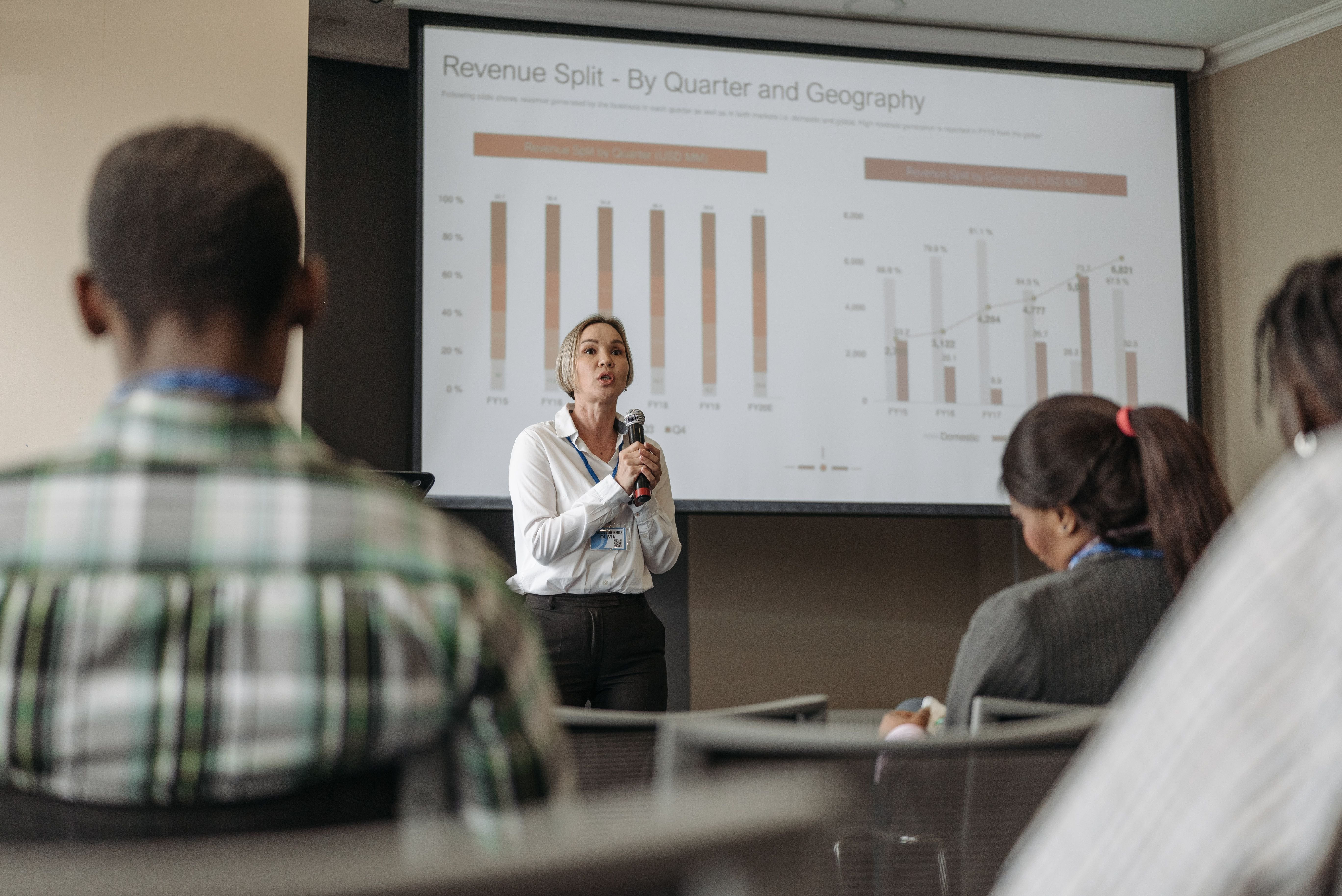
Corporate venues often feature challenging lighting conditions including mixed color temperatures, low ambient light, and rapidly changing conditions. Conference centers may combine LED stage lighting, projector screens, and fluorescent ambient lighting within the same space.
Solutions include shooting in RAW format for maximum post-processing flexibility, using fast lenses to avoid flash restrictions, and developing custom white balance presets for common venue types. Many corporate event photographers scout venues in advance to understand lighting challenges and plan accordingly.
Access and Permission Management
Corporate events involve complex permission structures where certain areas, individuals, or moments may be restricted. Understanding these limitations requires coordination with event organizers, security teams, and client representatives.
Professional corporate event photographers maintain detailed contact lists for each event, including marketing coordinators, AV managers, and security personnel. Clear communication prevents access issues that could compromise coverage quality.
Timeline Pressure and Quality Balance
The biggest challenge most corporate event photographers face is balancing rapid delivery timelines with quality standards. Clients expect professional results delivered quickly, creating pressure that can compromise both photographer well-being and work quality.
Successful corporate event photographers invest in workflow efficiency tools and systems that automate time-intensive tasks. This includes AI culling software, batch editing presets, and gallery delivery platforms that streamline the entire post-production process.
Building a Successful Corporate Event Photography Business
Corporate event photography offers stable, well-paying opportunities for photographers who develop the right skills and systems. Building a successful practice requires understanding client needs, developing efficient workflows, and maintaining professional standards under pressure.
Client Acquisition and Retention
Corporate event photography clients typically book photographers through referrals, vendor relationships, and proven track records rather than marketing campaigns. Building relationships with event planners, marketing agencies, and venue coordinators creates steady referral streams.
Client retention in corporate photography depends on reliability, quality consistency, and timeline adherence. Corporate clients value photographers who deliver predictable results and communicate proactively about challenges or changes.
Portfolio Development
Corporate event photography portfolios should demonstrate technical competence, professional presentation, and diverse event coverage. Effective portfolios include keynote coverage, networking moments, group photos, and detail shots that show comprehensive event documentation skills.
Portfolio presentation matters significantly for corporate clients who evaluate photographers based on professional standards and brand alignment. Clean, organized portfolio websites with clear pricing and service information perform better than artistic presentations.
Continuous Improvement and Adaptation
Corporate event photography evolves with technology, client expectations, and industry trends. Successful photographers invest in ongoing education, equipment updates, and workflow improvements to maintain competitive advantages.
Industry organizations like Professional Photographers of America offer corporate photography education and networking opportunities that help photographers stay current with best practices and emerging trends.
Summary
Corporate event photography demands a unique combination of technical skill, workflow efficiency, and professional service standards. Success requires mastering challenging lighting conditions, managing multiple stakeholder expectations, and delivering high-quality results under tight deadlines.
The photographers who thrive in this field invest in efficient systems—from AI-powered culling tools to streamlined delivery platforms—that allow them to maintain quality while meeting aggressive timelines. As corporate events become increasingly important for business marketing and relationship building, skilled corporate event photographers who can consistently deliver professional results will find steady demand and strong earning potential.
The key is developing reliable systems that handle the volume and speed requirements while maintaining the professional standards corporate clients expect. For photographers looking to streamline their corporate event workflows, FilterPixel's AI culling technology can help process large event shoots efficiently while maintaining quality control through transparent scoring and reasoning systems.
Shot thousands of photos?
FilterPixel culls them in minutes using genre-specific AI. Try DeepCull free.