EARLY ACCESSFor wire, news & sports photo desks

News photo editing workflowThousands of frames in. The best ones first.

When frames arrive from several photographers and remote cameras, DeepCull ranks and groups them in minutes. Editors review the strongest frames first, with scores and reasons for every pick. Selection never changes a pixel.

Ranking, burst grouping and scored reasons run on DeepCull today. A shared desk queue and remote-camera ingest are in early access for desk accounts.
6scores per frame, each with a reason
1best frame flagged in every burst
0pixels changed by selection
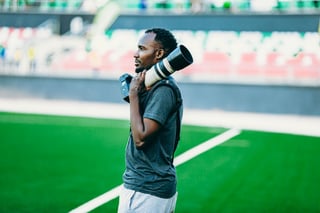
Photographers with telephoto lensesLong lens
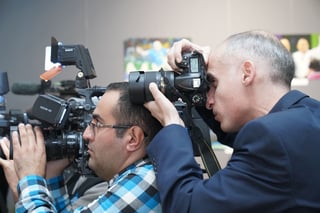
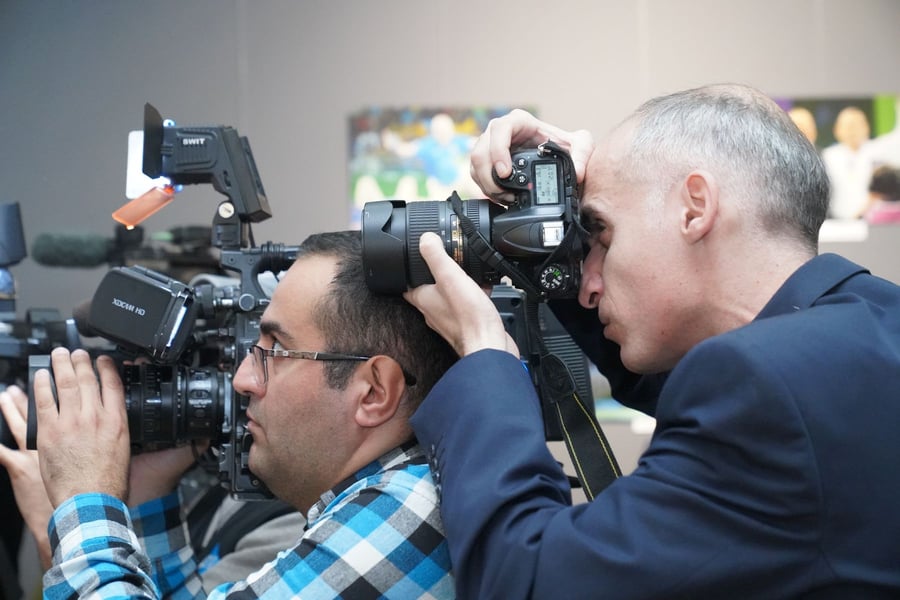
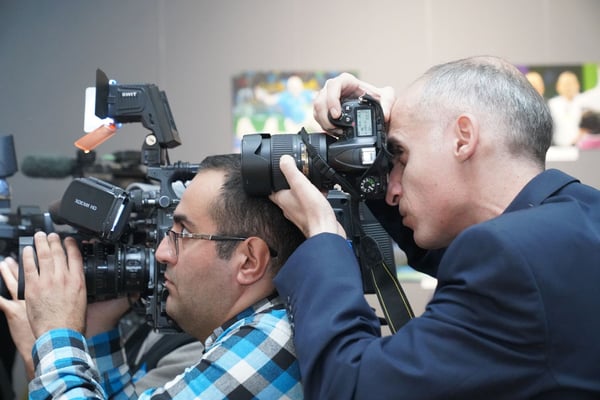
Press photographers covering an indoor eventPress pack
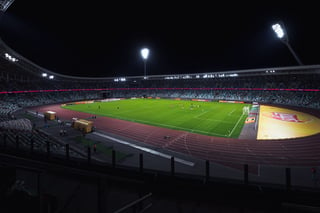
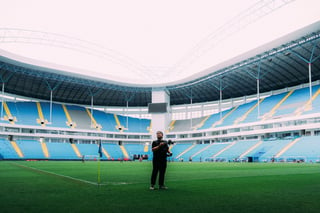
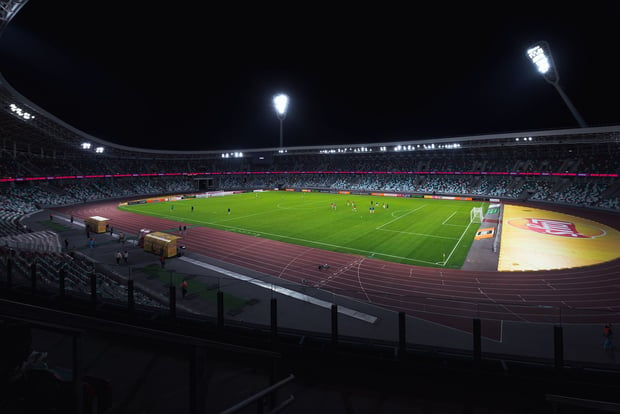
Floodlit football stadium at nightUnder lights
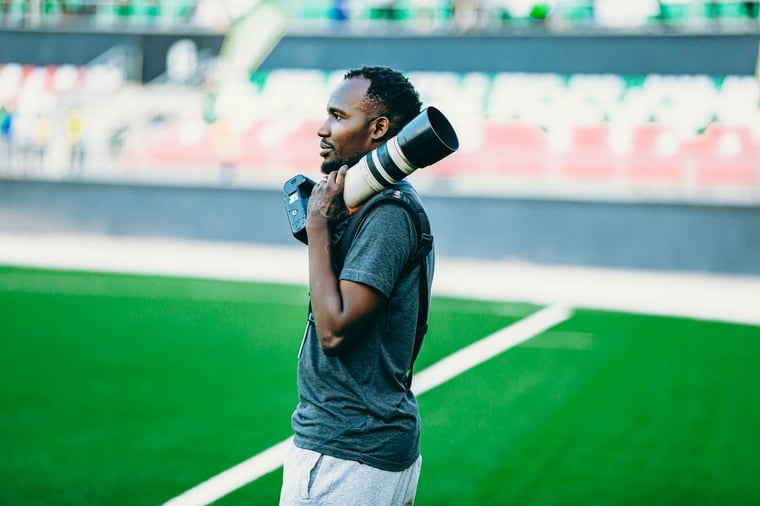
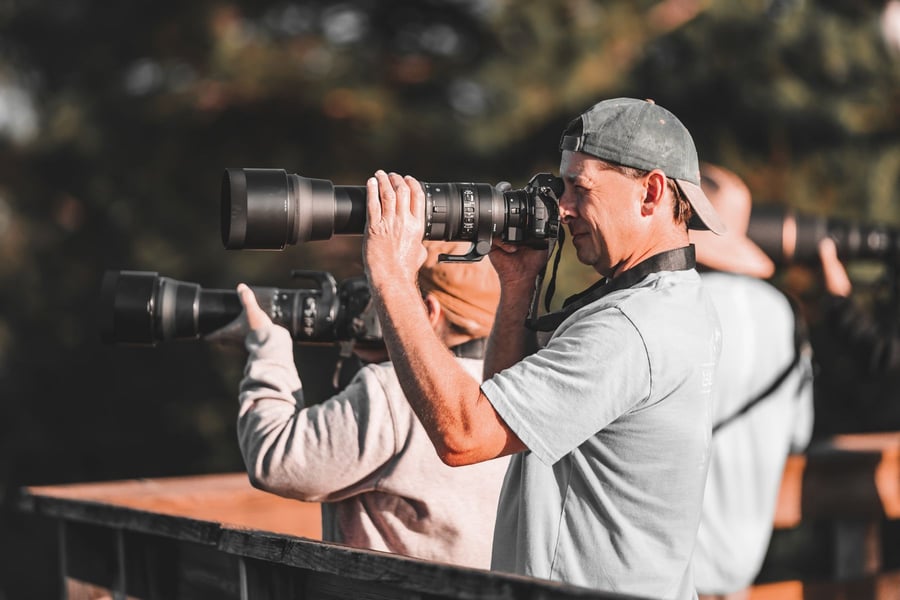
Photographers shooting with telephoto lensesLong lenses
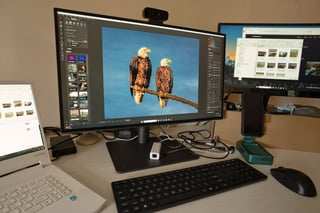
Photo editing workstation with several monitorsThe desk
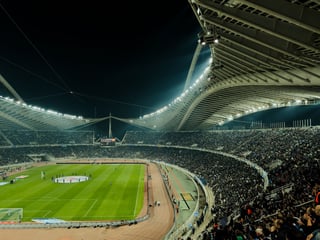
Crowded stadium under floodlightsMatch night
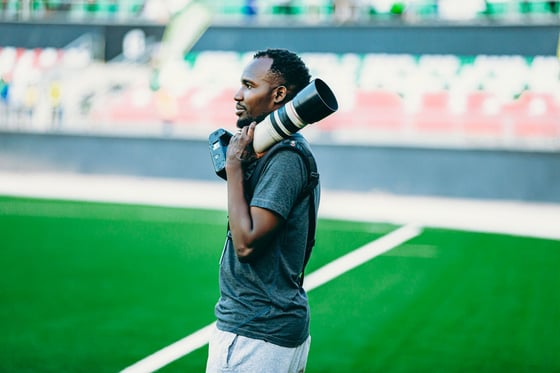
Photographer working inside a football stadiumStadium
Sports photographer with a long lens on the side of a pitchSideline
Quick answer

What is photo editing in journalism?

In journalism, photo editing mostly means choosing, not retouching. A photo desk, or picture desk, turns incoming frames into published pictures: receiving them from photographers and remote cameras, selecting, captioning, then filing to clients or the publishing system. When a big event lands at once, selection is the slowest step. DeepCull does the first pass of editorial photo selection, so editors start with the best frames.

  1. RankEvery frame scored, each score with a reason.
  2. GroupBursts and near-duplicates stacked, best frame on top.
  3. ReviewEditors confirm picks, then caption and file as usual.
Photographers covering the same moment from a press position
Match night

Every photographer sends at once. The desk still has to choose.

  1. 19:45

    Kick-off. Pitchside and remote cameras start sending frames.

  2. 20:30

    Half-time. Thousands of frames wait, most of them near-identical bursts.

  3. 21:40

    Full time. Editors are still scrolling the first half in capture order.

  4. With DeepCull

    Bursts grouped and ranked, so editors review the strongest frames first and file sooner.

How it works

How to speed up selection on a busy photo desk.

Photographer with a long lens on a sports field
01 · LOAD

Load the event.

Frames from cards or folders, up to 10,000 photos per event. Live today.
02 · GROUP

Bursts grouped.

Near-duplicates stacked, with the best frame of every burst on top. Live today.

03 · RANK

Best frames first.

Six scores with reasons on every frame. Blur and closed eyes drop down. Live today.
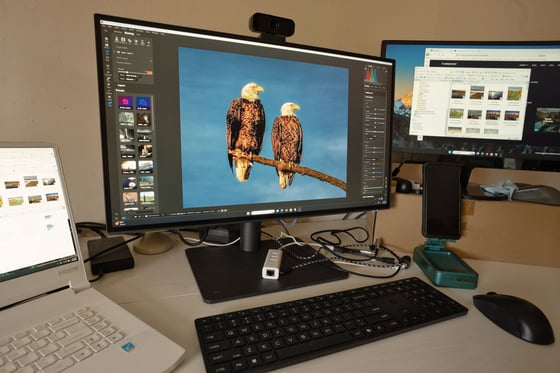
Photo editing workstation with several monitors
04 · FILE

Editors confirm and file.

Picks go on to captioning and filing in your own tools, untouched. Shared desk queue: early access.
Why FilterPixel

Editorial photo selection the desk can check.

Photographers shooting with telephoto lenses
Sharp on subject.94Best of burst1 of 14
Scores and reasons

Every pick can be audited

Each frame carries six scores, each with a reason. Editors see why a frame ranked high, and overrule it when news value says otherwise.
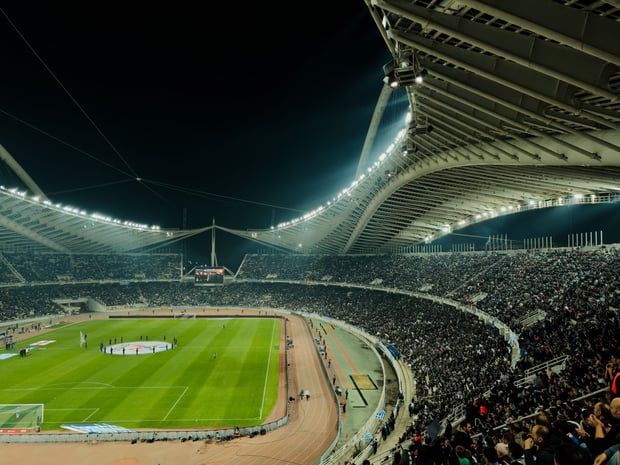
Crowded stadium under floodlights
Live today

Tuned for sports and events

Floodlit football stadium at night
Early access

One queue across photographers

Editorial integrity

Does automatic selection change the photos?

No. DeepCull ranks, groups and flags frames. It never adds, removes or retouches anything in an image. Agency standards leave no room for that: the Associated Press states in its photo policy that it "does not alter photographs." Toning, cropping and captions stay with your editors and your own standards.

Compare

Where automatic selection fits in a photo desk workflow.

JobManual ingest-and-browse toolsDAM searchCamera-to-cloud uploadFilterPixel
Get frames to the deskCard ingest and uploadAfter uploadCore: frames upload as they're shotYour current transfer setup · desk ingest in early access
Best frame of every burstTagged by handNot the focusNot the focusFlagged automatically · live today
Review orderCapture orderSearch by tags and metadataCapture orderRanked best first · live today
Reasons behind a pickNot recordedNot the focusNot the focusSix scores with reasons · live today
Captions, metadata and filingCoreMetadata and distributionVariesStays in your existing tools

Manual ingest-and-browse tools include Photo Mechanic by Camera Bits. DAMs include PhotoShelter, Canto and Bynder. Camera-to-cloud upload includes Frame.io Camera to Cloud. Other culling apps include Aftershoot and Imagen. Features vary by vendor and plan, so check each vendor's current documentation.

Who it's for

For desks that choose against the clock.

01

Wire agencies

Many photographers, one desk and constant deadlines during big events.

02

Newspapers & digital publishers

Staff and freelance takes reviewed quickly for web, social and print.

03

Sports media agencies

Match-day volume from pitchside positions, filed while the story is live.

04

Remote-camera photographers

Fixed cameras add frames nobody saw being taken, many of them near-identical.

What desk early access includes

  • Ranked selectionBest frames first. Live today.
  • Burst and duplicate groupsBest frame of every burst on top. Live today.
  • Six scores with reasonsOn every frame. Live today.
  • Blur and closed eyesMoved down the order. Live today.
  • Large eventsUp to 10,000 photos per event. Live today.
  • Shared desk queueSeveral photographers in one ranked view. Early access.
  • Remote-camera ingestScoped with your desk. Early access.
  • Terms in writingData handling and desk terms agreed up front.

Shoot and file your own games? See the sports photography workflow or the Photo Mechanic alternative.

Early access

Test it on your last big event.

Share a past event's frames and the picks your desk made. We show where DeepCull agrees and where it doesn't.

  • Agreement with your editors' picks
  • Frames it ranked higher or lower than your desk
  • How your photographers and cameras would feed one queue
Early access for desk accountsSelection never changes pixelsTerms agreed in writing

"I shoot 6,000–8,000 frames at every Premier League match. FilterPixel has my selects ready before I've packed my gear."

Marcus R. · Football Photographer, UK

Request early access

Tell us about your desk and your biggest events.

Please add your name.
Please add your publication or agency.
Please enter a valid work email.
Add your country code, e.g. +1 415 555 0134.

By submitting, you agree to our Privacy Policy. Prefer to talk? Book a call with us.

FAQ

News photo editing and photo desk FAQ

Mostly selection. News photo editors choose which frames run, crop and tone within ethical limits, and write or check captions. Manipulating a news photo in ways that mislead viewers is ruled out by codes such as the NPPA Code of Ethics. DeepCull helps with the choosing step and never changes pixels.

A picture desk editor receives photos from staff photographers, agencies and remote cameras, selects and captions the best for publication, and files them against deadlines. On a big event, frames arrive from many photographers at once, which is where automatic first-pass selection helps.

The steps a wire, news or sports desk uses to turn incoming frames into published pictures: receiving frames from photographers and remote cameras, selecting the best, captioning and adding metadata, then filing to clients or the publishing system.

Photographers often send frames straight from the camera by FTP to editors, who select, caption and file while the event continues. Getty Images has described this setup at the 2022 Winter Olympics: onsite editors led a remote editing team, and a photo could reach customers in as little as 30 seconds.

No. DeepCull only ranks, groups and flags frames. Nothing is added, removed or retouched, which keeps selection in line with standards such as the Associated Press photo policy.

It groups near-identical frames, scores each one on six criteria with a reason, and puts the strongest on top. Missed focus, motion blur and closed eyes lower a frame's scores.

Yes. Every frame carries six scores, each with a reason, so an editor can check a pick and overrule it.

No. It does the first pass through the volume. News judgment, captions, toning and filing stay with editors.

DeepCull culls up to 10,000 photos per event today when the frames are loaded together. A shared desk queue that takes frames from several photographers and remote cameras as they arrive is in early access.

DeepCull selects frames. It does not caption or file them, so desks keep IPTC metadata and FTP filing in the tools they use now. Integrations with Photo Mechanic, newsroom systems and DAMs are not built yet: tell us what your desk uses when you request access.

DeepCull has genres for sports, conferences and corporate events, weddings and portraits. Hard news is not a separate genre, so desks test it on their own past events first.

Minutes for a full event, depending on volume and hardware. Editors start from a ranked, grouped set instead of capture order.

Retention, access and any use of your images are agreed in writing with each desk account before any frames are shared.

Desk terms are agreed in writing, based on your volume and the scope of early access.

Updated 16 September 2026